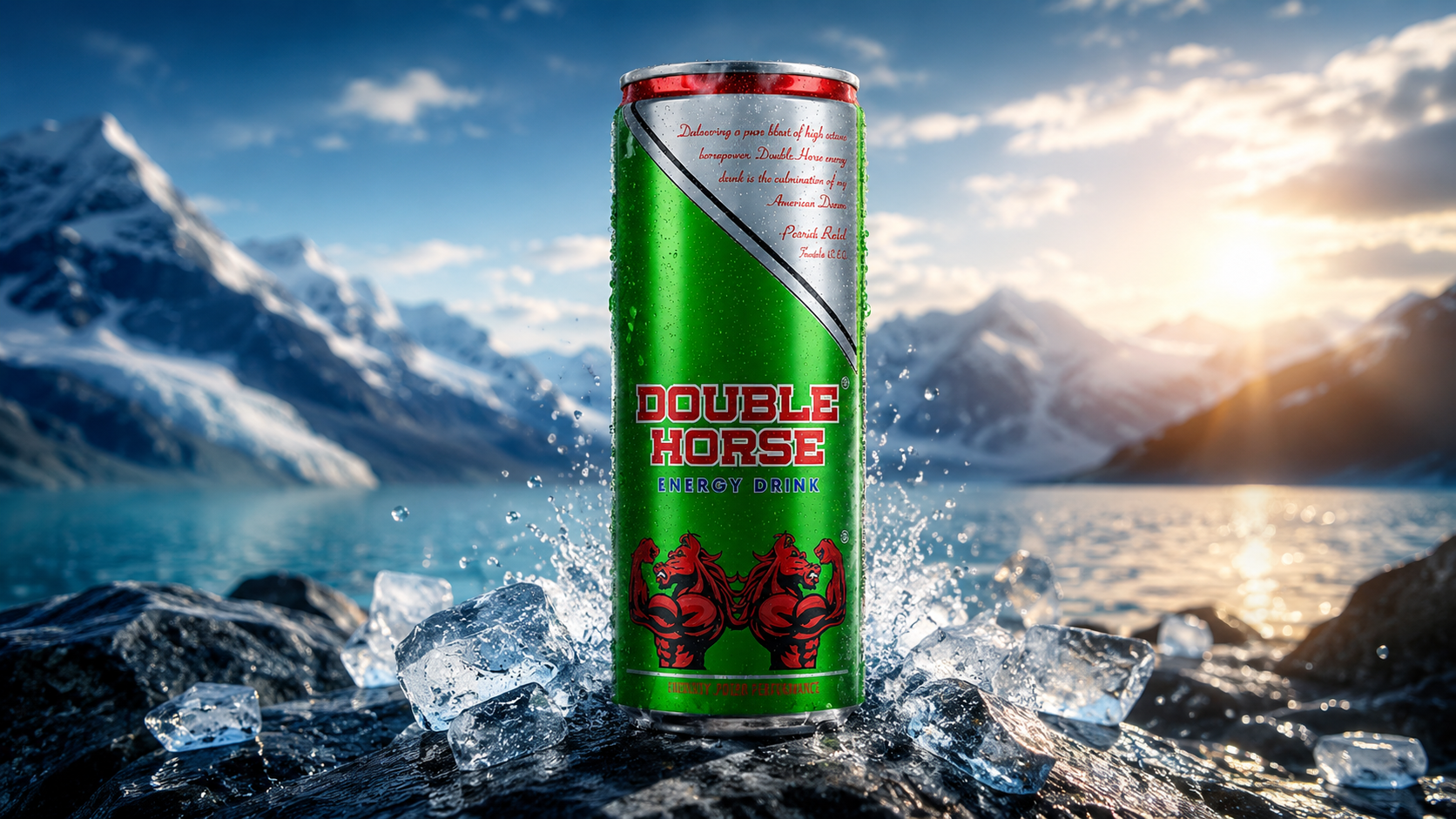
Why the Distinction Between Sugar Free and Low Sugar Matters
When you are managing your diet seriously — whether for weight loss, blood sugar control, athletic performance, or just a healthier lifestyle — the difference between zero sugar and reduced sugar is not trivial. It affects caloric intake, sweetener type, taste profile, and how the product fits into your overall daily macros. Understanding the difference helps you make a better decision and actually get the benefit you are looking for rather than guessing at the label and hoping for the best.
What Sugar Free Actually Means
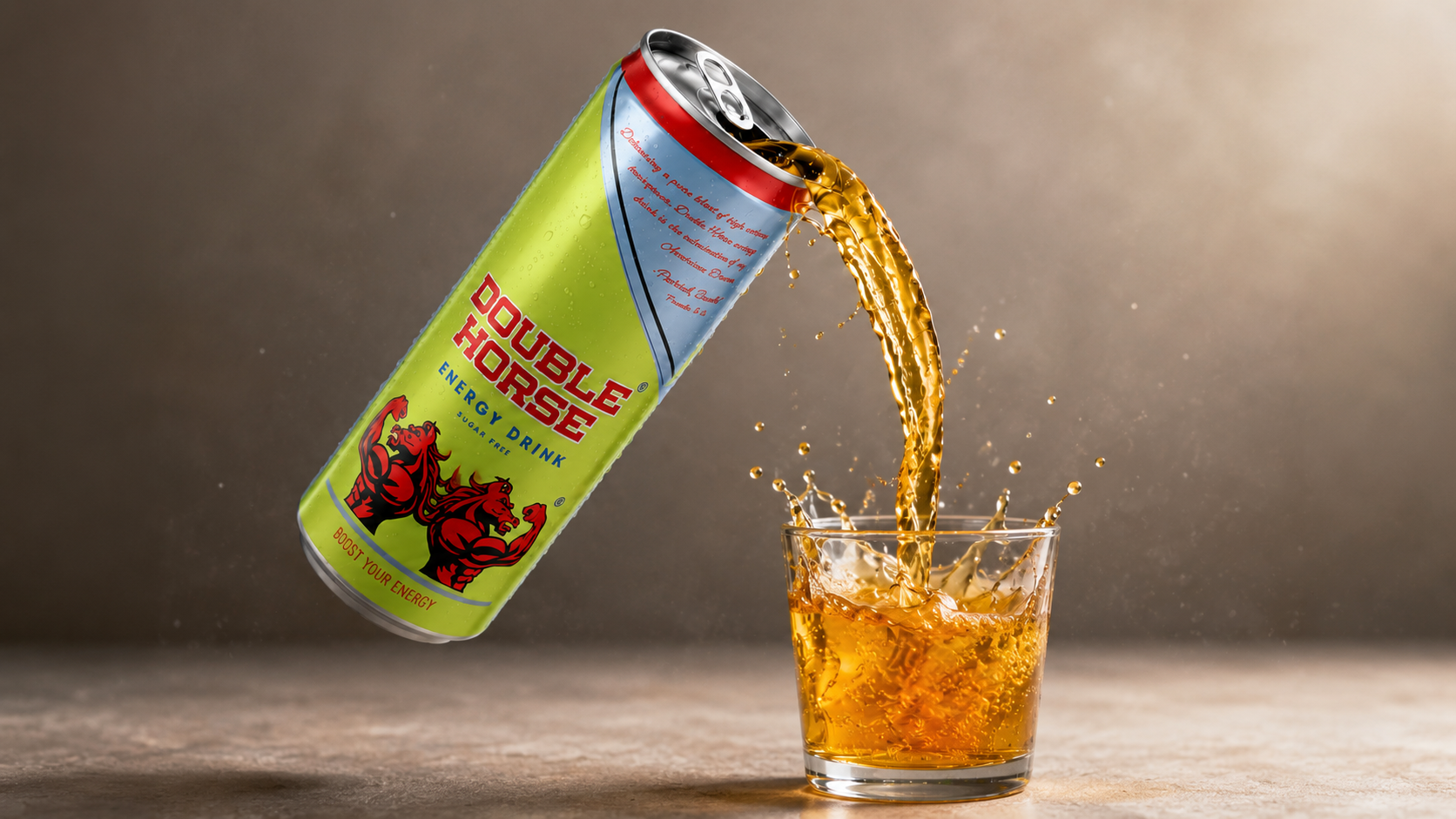
A Sugar Free product contains no added sugars and typically derives its sweetness from non-caloric sweeteners such as sucralose, acesulfame potassium, or similar approved alternatives. The caloric contribution from sugar is effectively zero, which makes Sugar Free the right choice for people who are strictly tracking their daily carbohydrate or calorie intake. It is the more assertive option — if you are in a cutting phase, on a ketogenic diet, or managing a health condition that requires tight sugar control, Sugar Free is almost always the more appropriate selection. The trade-off is that some people find zero-sugar sweeteners to have a slightly different aftertaste compared to drinks that contain some natural sugar.
What Low Sugar Actually Means
Low Sugar sits in the middle ground between a full-sugar energy drink and a completely sugar-free formula. It contains a reduced amount of actual sugar — enough to provide a mild natural sweetness and a familiar taste profile that many people find more satisfying than a purely sweetener-based formula. The total caloric contribution is significantly lower than a standard energy drink, but it is not zero. For people who find zero-sugar options unappealing but still want to limit their sugar intake, Low Sugar offers a genuine compromise that does not require sacrificing enjoyment for discipline.

How to Match the Variant to Your Situation
The best way to think about this choice is in terms of use case rather than universal preference. If you are training for a competition and your nutrition plan is precise, Sugar Free gives you maximum control over your intake without adding unnecessary variables. If you are using Double Horse as a daily lifestyle drink during moderate activity, social situations, or recovery days, Low Sugar may feel more appropriate and enjoyable without meaningfully affecting your goals. Some people also rotate between both — Sugar Free on training days when caloric discipline is tightest, Low Sugar on lighter or rest days when the priority is simply refreshment over optimization.
The Role of Sweeteners in Your Overall Health Picture
Non-caloric sweeteners used in Sugar Free products have been studied extensively and are approved by major food safety authorities including the FDA. For most healthy adults, consuming them in moderation as part of a balanced diet does not pose a health concern. That said, some people report digestive sensitivity to certain sweeteners or a preference for more natural sweetness profiles. If you have specific concerns, the Low Sugar variant avoids reliance on non-caloric sweeteners while still keeping actual sugar content meaningfully lower than conventional energy drinks. The choice ultimately comes down to your personal tolerance, preference, and the precision your health goals require.
Both Variants Are Halal Certified — Here Is Why That Matters
An important detail that applies to both Sugar Free and Low Sugar is that both variants carry the same Halal certification as the full Double Horse product line. The sweeteners used in Sugar Free, and the reduced-sugar formula in Low Sugar, have all been sourced and verified through the same rigorous certification process. This means regardless of which variant you choose, you are getting a product produced to the same manufacturing and ingredient standards. You do not need to choose between health optimization and certification compliance — with Double Horse, both are built into every can.
