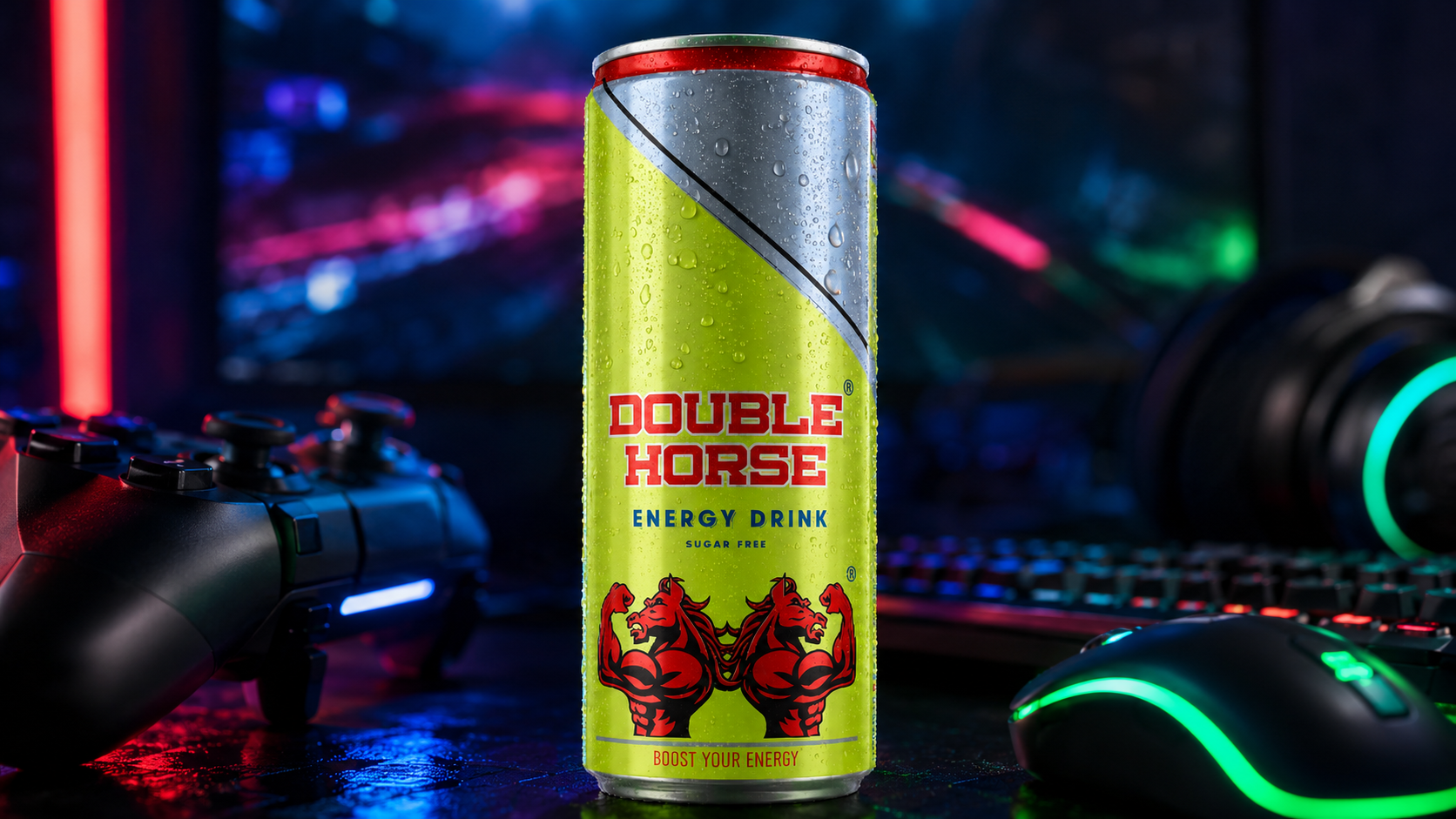
The Difference Between Playing Long and Playing Well
There is a big gap between sitting at a desk for 12 hours and actually performing at a high level for 12 hours. Most casual players hit a wall around hour 4 or 5 where their decision-making slows down, their reaction time drops, and their ability to read the game starts to fall apart. Professional esports athletes know this wall exists and they plan around it. The strategies they use are not complicated — but they require consistency and discipline that most players skip when things are going well.
Hydration Is Your First and Most Important Tool
Dehydration affects cognitive function before it affects physical performance, which makes it especially dangerous for gamers who do not feel like they are doing anything physically demanding. Research shows that even mild dehydration — as little as 1 to 2 percent of body weight — can reduce concentration, slow processing speed, and increase the number of mistakes you make under pressure. Top players keep water or a low-sugar beverage within arm's reach at all times. They are not waiting to feel thirsty. They are staying ahead of the deficit before it catches up to their performance. Energy drinks like Double Horse that are low in sugar and free of unnecessary additives work well as part of this hydration strategy because they deliver focus support without the dehydrating effects of excessive caffeine or sugar loading.
Caffeine Strategy: When to Use It and When to Hold Back
Professional gamers treat caffeine like a tool, not a habit. The goal is not to stay awake — it is to maintain peak cognitive performance at the moments that matter most. That means being strategic about when you consume caffeine and how much you take in. A moderate dose early in a long session can help sharpen focus and reduce mental fatigue. But chasing the same effect with more caffeine later in the session leads to diminishing returns and a harder crash afterward. The best approach is to start with a clean, moderate formula — something like Double Horse at 80mg — early in the session, and then rely on breaks and nutrition to carry you through the later hours.
Nutrition During Long Sessions: What Actually Works
Food choices during a long gaming session have a bigger impact on performance than most players realize. High-sugar snacks cause rapid blood glucose spikes followed by crashes that hit you hard when you can least afford it — usually during a critical late-game situation. Protein and complex carbohydrates provide steadier fuel. Think nuts, fruit, whole grain crackers, or a protein bar over chips and candy. Professional players often schedule small eating windows during natural breaks in their session rather than grazing continuously. This keeps blood sugar more stable and prevents the sluggish feeling that comes from overeating while sedentary.
The Science of Micro-Breaks and Why Top Players Take Them
It feels counterintuitive to step away from your screen when you are in a good rhythm, but micro-breaks are one of the most effective tools in a competitive gamer's toolkit. Even a 5-minute break every 90 minutes — standing up, walking around, looking away from the screen, doing a few stretches — measurably improves cognitive performance in the later hours of a session. Your eyes need it. Your posture needs it. Your working memory needs it. Teams and coaches at the professional level build these breaks into their practice schedules not because it feels good but because the data shows better late-session performance from athletes who take them versus those who power through without stopping.
Mental Reset Techniques Between Matches
One thing that separates elite gamers from good gamers is the ability to reset mentally between rounds or matches rather than carrying the emotional weight of the previous one. Mistakes compound when you are tilted. Tension in your hands translates directly to slower, less precise inputs. Top players have specific rituals — deep breathing, a short physical movement, reviewing a checklist — that help them step out of frustration and back into a neutral performance state. Pair this with a clean energy drink that keeps your focus steady without making anxiety worse, and you build a mental environment where good decisions are much more likely.
Setting Up Your Gaming Environment for Long-Term Performance
Everything in your physical space affects your cognitive performance. Lighting that reduces eye strain, a chair and desk at the right height, a clean and organized peripheral setup — these details accumulate over a 12-hour session. Poor ergonomics create physical tension that drains mental energy. A room that is too warm slows cognitive processing. Noise that you cannot control raises cortisol and disrupts focus. Building a deliberate performance environment is not about having expensive gear. It is about eliminating the friction that gradually wears your brain down so you can stay sharp when it counts most.
