
What Are B-Vitamins and Why Do They Matter
B-vitamins are a group of eight water-soluble vitamins that play essential roles in cell metabolism, nervous system function, and energy production. They are not stored in the body in large quantities the way fat-soluble vitamins like A and D are, which means you need a consistent daily supply through food or supplementation. The B-vitamins most relevant to energy and athletic performance are B1 (thiamine), B2 (riboflavin), B3 (niacin), B5 (pantothenic acid), B6 (pyridoxine), and B12 (cobalamin). Of these, B6 and B12 receive the most attention in sports nutrition and performance products — and for good reason.
How B6 Supports Energy and Muscle Function
Vitamin B6 is involved in more than 100 enzymatic reactions in the human body. In the context of energy and athletic performance, its most important role is in amino acid metabolism — the process by which your body breaks down protein from food and uses it to repair muscle tissue, produce neurotransmitters, and regulate blood sugar. B6 is also involved in the production of hemoglobin, the protein in red blood cells that carries oxygen to your muscles during exercise. Low B6 levels are associated with fatigue, reduced exercise tolerance, and impaired muscle recovery — which is why athletes who train frequently benefit from maintaining adequate B6 intake.

What B12 Actually Does for Your Energy Levels
Vitamin B12 is perhaps the most misunderstood ingredient in the energy drink space. You will often see B12 marketed as if it provides a direct energy boost the way caffeine does — but that is not how it works. B12 does not stimulate your central nervous system or release adrenaline. What it does is support the production of red blood cells and help maintain the myelin sheath around nerve fibers, which is essential for efficient signal transmission throughout your nervous system. People who are deficient in B12 experience genuine fatigue, brain fog, and reduced exercise capacity — not because B12 is a stimulant but because without it, your body's fundamental energy systems cannot function properly. When you have adequate B12, the energy your body produces from food is used more efficiently.

The Connection Between B-Vitamins and Mental Clarity
One of the less-discussed benefits of B-vitamins is their role in cognitive function and mental clarity. B6 is a precursor to several important neurotransmitters, including serotonin, dopamine, and GABA — brain chemicals that regulate mood, motivation, and focus. B12 supports myelin health, which directly affects how quickly nerve signals travel in the brain. People who maintain good B-vitamin status tend to report better mental sharpness, more stable mood, and less mental fatigue during cognitively demanding tasks. This is why energy drinks that include B-vitamins as genuine functional ingredients — not just label decoration — can support both physical and cognitive performance.
Who Is Most at Risk for B-Vitamin Deficiency
While most people get enough B-vitamins through a varied diet, several groups are at higher risk for deficiency. Vegans and vegetarians often have low B12 because the vitamin is found almost exclusively in animal products. Athletes who train at high intensity have greater nutritional demands overall and may need higher intake of B6. People under significant stress — whether physical or mental — deplete B-vitamins faster because stress hormones require B6 for synthesis. Students during exam periods, athletes in competition season, and anyone running a caloric deficit are all groups who stand to benefit from consistent B-vitamin intake through food or a well-formulated energy drink.
Why Double Horse Includes B6 and B12 in Every Can
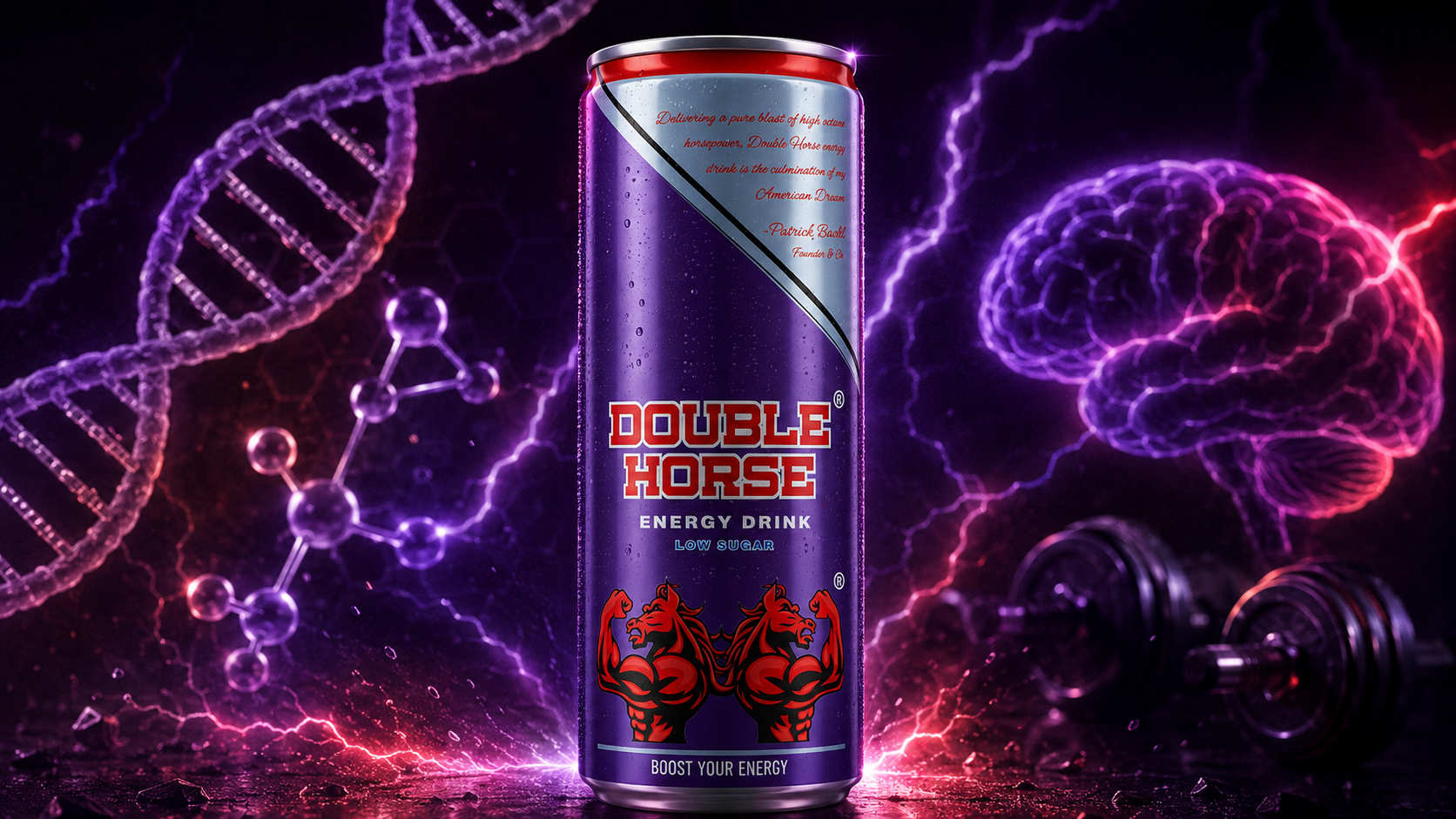
The decision to include B6 and B12 in the Double Horse formula was not made for marketing optics — it was made because these vitamins serve a genuine function in the context of what the product is designed to support. When you are using an energy drink before or during training, studying, or a long work block, your body is under increased metabolic demand. B6 and B12 help your body extract more usable energy from the food you have eaten, support the neurotransmitters that keep you focused, and protect the energy systems that would otherwise deplete faster under stress. At meaningful doses, they complement the caffeine and taurine in the formula to create a more complete and sustained performance experience.
Reading Labels: What to Look For
Not all B-vitamin inclusions are created equal. Some energy drinks include B12 at amounts so far above the daily recommended value that they are essentially meaningless — megadosing B12 does not make you more energetic than having the right amount, and the excess is simply excreted. The more meaningful question is whether the product contains B-vitamins at doses that actually contribute to the formula's function, and whether those vitamins are in forms the body can absorb and use. Look for the percentage of daily value on the nutrition label and compare across products. A well-formulated drink includes B6 and B12 at levels that support the formula's purpose without resorting to excessive amounts designed purely to make the label look impressive.
